

Ingredient Library
Astaxanthin
Astaxanthin (from Haematococcus pluvialis)
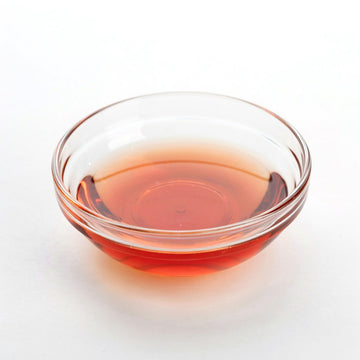
Astaxanthin is a red algae antioxidant many times stronger than vitamin E at defending against daily stress. Protective, it suits dull, aging, and stressed skin.
A natural history
Astaxanthin is one of nature's most remarkable antioxidants, and it begins life in a humble place: a tiny green freshwater alga called Haematococcus. When its little pond grows hot and bright and starts to dry, the alga floods itself with a deep red pigment, turning from green to blood red, and shelters inside that red shield until the danger passes. That pigment is astaxanthin, made for the single purpose of surviving fierce sunlight.
It is the same rosy pigment that colors so much of the natural world. The blush of wild salmon and the soft pink of flamingos both come from astaxanthin gathered up the food chain from algae. Prized as one of the most powerful antioxidants known, far stronger in the laboratory than vitamin E, it has become a quietly luxurious ingredient for skin that wants to look defended and renewed.
What it does for your skin
Astaxanthin is studied as a potent antioxidant for the look of aging skin. In a study combining a daily supplement with topical astaxanthin, women saw improvements in the look of crow's feet wrinkles, elasticity, and skin moisture over eight weeks.[1] In a later study across the dry autumn to winter season, those taking astaxanthin held their skin's moisture and smoothness while the placebo group's declined, suggesting it helps defend the skin against seasonal stress.[2] In a formula it is a luxurious antioxidant that helps skin look protected and revived. The studies are small.
References
[1] Tominaga K, et al. Cosmetic benefits of astaxanthin on human subjects. Acta Biochim Pol. 2012;59(1):43-47. doi:10.18388/abp.2012_2168
[2] Tominaga K, et al. Protective effects of astaxanthin on skin deterioration. J Clin Biochem Nutr. 2017;61(1):33-39. doi:10.3164/jcbn.17-35
Found in these formulas
Questions, answered
It is a deep-red antioxidant made by microalgae, the same pigment that colors wild salmon and flamingos, prized as one of nature's most powerful antioxidants for skin.
It is studied for helping defend the look of mature skin and support smoothness, elasticity, and moisture against everyday and seasonal stress.